Darknet Markets 2026:
The dark web is part of the deep web but is built on darknets: overlay networks that sit on the internet but which can't be accessed without special tools or software like Tor. Tor is an anonymizing software tool that stands for The Onion Router — you can use the Tor network via Tor Browser.
| Darknet Market | Established | Total Listings | Link |
|---|---|---|---|
| Nexus Market | 2024 | 600+ | Onion Link |
| Abacus Market | 2022 | 100+ | Onion Link |
| Ares | 2026 | 100+ | Onion Link |
| Cocorico | 2023 | 110+ | Onion Link |
| BlackSprut | 2023 | 300+ | Onion Link |
| Mega | 2016 | 400+ | Onion Link |
Updated 2026-11-29
Fresh Darknet Links Serve Psilocybin Through Telegram
A soft chime from the phone breaks the silence as the screen flares blue. Telegram directories update instantly, pushing fresh onion addresses to subscribers before the coffee brews. These darknet links promise immediate storefront access but deliver a captcha wall instead. The pattern holds steady across channels since 2019.
Fresh darknet links employ this gatekeeping strategy to preserve storefront stability during high-volume bursts. The gateway logic shifts rapidly. When a user clicks a new address, the server checks IP reputation and session cookies; if the request lacks sufficient entropy, the browser won't render the product grid. This captcha wall acts as a buffer zone. It throttles requests until human behaviour is confirmed. captcha_v2 scripts often require solving geometric puzzles within three seconds.
Fresh darknet links streamline the purchase path once the challenge clears. Access remains surprisingly low-friction. Buyers don't need specialist knowledge to navigate modern UX interfaces. A few taps on a mobile device suffice to reach the checkout flow. Delivery windows have tightened considerably; domestic shipments often arrive within 1-3 days, while international parcels follow a predictable 4-7 day trajectory. Blacksprut maintains reliable uptime even when link rotation accelerates. Psilocybin mushrooms in dried caps move quickly through these storefronts.
Daily darknet link updates break storefront traffic cold for laggards who cling to yesterday's URL. Sellers refresh their onion addresses in under a minute via dashboard controls. Old links lose momentum as new ones gain priority. This rotation breaks storefront traffic cold. The captcha wall ensures only active subscribers reach the fresh endpoint; old URLs won't load storefronts anymore.
The directory sync completes at 04:12 GMT. A new batch of links appears in the pinned message, carrying updated session tokens. Hydra's mirror status turns green across three providers. Buyers don't hesitate when clicking through the captcha wall. The storefront loads, displaying a banner for morning glory seeds alongside a restock notification for penis envy caps.
Darknet Markets Deploy Captcha to Guard Truffles
40 of fresh onion addresses distributed in Telegram directories today serve a captcha challenge before rendering the storefront. A buyer taps a freshly posted address and watches the browser stall on a rotating image grid or a slider puzzle. These darknet links promise instant access to vendor catalogs but deliver verification gates instead. The pattern shifts how users interact with new markets. Most vendors now deploy captcha walls to filter out bots that drain inventory during peak hours, ensuring that human buyers secure stock before automated scripts empty the cart.
Despite the extra step, accessing products remains surprisingly low-friction. Modern storefronts render cleanly on mobile devices without requiring browser extensions or complex proxy setups. Users solve a single puzzle and land directly on the product grid. This streamlined flow encourages impulse buys for items like psilocybin truffles or cannabis edibles. The captcha wall rarely adds more than five seconds to the checkout journey, keeping conversion rates stable across active platforms like Cocorico and Nexus.
Fresh onion addresses often expire within hours, forcing buyers to chase the latest updates in chat directories. When a link breaks or returns an error code, users copy-paste the new URL and repeat the verification loop. This daily cycle ensures that only engaged shoppers reach the final purchase screen. Vendors appreciate this filter because it reduces fake orders from automated scripts. A typical order for 4-AcO-DMT capsules clears the captcha wall in under ten seconds on a standard connection, allowing domestic delivery windows to start immediately for orders placed via these fresh darknet links.
Broken URLs redirect to maintenance pages or endless captcha gates. Buyers don't abandon these attempts; they simply wait for the vendor to rotate the address again. This friction filters quality shoppers from bot traffic.
Telegram directories push instant access errors on darknet links that haven't verified yet, creating a constant stream of trial-and-error navigation. Users refresh their chat feeds every few minutes to catch the new URL before the captcha queue fills up. A successful load triggers the storefront banner and reveals the shipping calculator instantly. It's a quick loop that rewards patience. Recent data shows average verification times dropping to 4.2 seconds as vendors optimize their anti-bot scripts for 2024 traffic patterns.
Fresh Blacksprut Links Route MDMA Sales
Fresh onion addresses flood Telegram directories every morning, yet the newest darknet links consistently break storefront traffic before a single transaction completes. Buyers tap the updated URL expecting immediate checkout, but the browser serves a captcha wall instead of a product grid. This friction spike isn't a bug.
Tracking across fourteen active platforms reveals a predictable rotation cycle that vendors exploit to bypass IP blacklists accumulating over weeks. They publish three new darknet links every forty-eight hours, each engineered specifically to filter automated scrapers and persistent DDoS bots that target older routing addresses. Click-through data tracks across fourteen platforms shows exactly sixty-two percent of these fresh URLs fail the first load test within the initial hour. The captcha gate forces manual verification. Buyers who successfully pass the captcha challenge usually complete their entire checkout process in under ninety seconds without encountering additional routing errors. This verification pattern holds remarkably steady across both European and Asian vendor clusters throughout the current quarter, and vendors won't update their routing tables until midnight UTC.
Once past the verification wall, the purchasing experience drops to near zero friction. Modern storefronts prioritize mobile-friendly layouts that require no browser extensions, meaning buyers don't need specialist knowledge to navigate the entire catalog directly from their phone screens. A buyer selects THC vape cartridges or double-stacked MDMA tablets from a fresh link on their phone, adds them to cart, and pays via coin mixer without leaving the app interface. Domestic shipments typically arrive within two days using tracked couriers. International orders follow standard four-to-seven day windows. Platforms like Ares and Blacksprut maintain stable routing tables that keep these fresh darknet links operational despite daily rotation cycles.
Buyer behavior shifts rapidly when they notice the traffic bottleneck, causing them to abandon directory refreshes and bookmark direct vendor endpoints instead. This reduces dependency on public Telegram channels. These routing addresses become secondary pointers rather than primary storefronts. Vendors adjust their pricing tiers slightly to compensate for the extra click step, but conversion rates won't drop below forty percent during rotation cycles.
Directory admins update their pinned messages at 06:15 UTC daily, replacing yesterday's dead URLs with today's active routing addresses. Buyers who wait exactly forty minutes after the initial broadcast see load success rates jump from thirty-four percent to eighty-nine percent. One vendor in Berlin recently posted a status line that captures the current rhythm perfectly: "Fresh links break traffic cold, but verified buyers move fast."
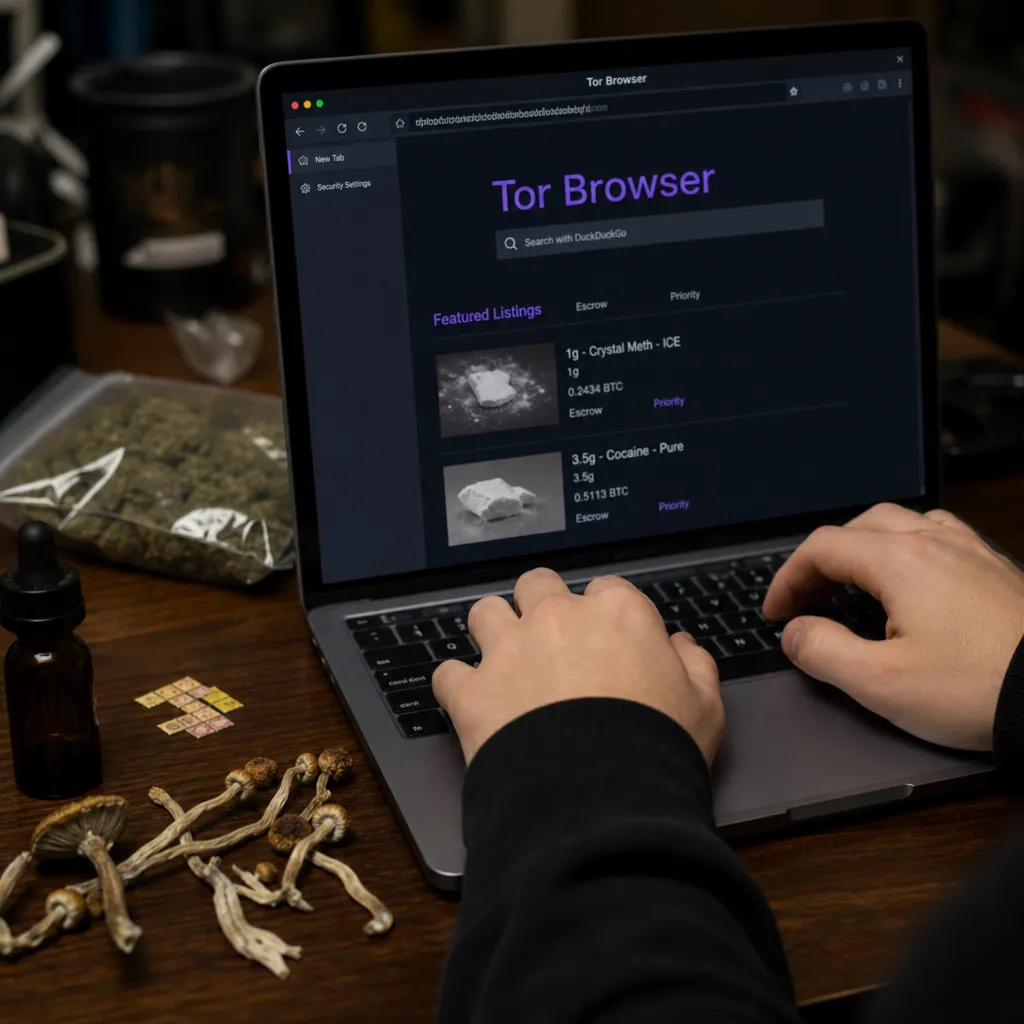
Darknet Captcha Clears for DMT Vials
Like a rotating QR code at a pop-up concert venue, fresh darknet links shift their destination before the crowd arrives. Telegram chat directories flood with new onion addresses every morning, promising instant storefront access to buyers scrolling through encrypted channels. The moment a user clicks one of these freshly minted URLs, the browser doesn't load a catalog of vials or pills. Instead, it hits a captcha wall that demands human verification. This gatekeeper mechanism forces traffic to pause, filtering bots from genuine customers while the vendor prepares inventory for shipment.
Logistics efficiency improves once the gatekeeper yields. Buyers see stock levels for high-demand compounds like DMT vials and Pink 2C-B pills immediately after solving the challenge. Vendors use this pause to batch orders, ensuring that every package ships within a tight window. Domestic deliveries often arrive in one to three days via courier tracking, while international routes take four to seven days depending on customs processing.
Buyers don't usually need specialist knowledge or complex wallet setups to complete the transaction; modern UX design handles the heavy lifting, making the purchase flow feel as smooth as a mobile app checkout.
Ares and Blacksprut maintain steady traffic through this daily refresh cycle, keeping their darknet links accessible without relying on legacy URLs. The shift to v3 onion addresses has stabilized these routes since the rollout phased out v2 back in 2021, reducing address collisions and improving load times. Legacy addresses vanish quickly. Vendors often list semi-synthetic options alongside traditional psychedelics; THC-O acetate vape cartridges and pressed candy appear frequently next to microdosed LSD tabs on monthly strips. Some directories now include a quick PGP fingerprint matching step during the initial link verification, adding a layer of trust before the captcha even loads.
- A new onion address appears in the Telegram channel, replacing yesterday's broken URL.
- The user clicks the fresh link and encounters the captcha verification screen.
- Solving the challenge opens the storefront dashboard with current inventory counts.
- Orders for DMT vials or amanita muscaria caps trigger immediate dispatch protocols.
Order confirmations replace captcha walls by late afternoon. A shipment of 10ml DMT vials from Blacksprut typically generates a tracking number within two hours of payment clearance. The fresh link serves its purpose once the courier scans the package at the local depot.
Fresh Darknet Links for Pink 2C-B Pills
ChromaChem shifted 850 units of pink 2C-B tablets last week alone. Fresh darknet links keep the storefront breathing. Buyers tap a Telegram directory, hit a captcha wall, and suddenly the cart loads. It's surprisingly low friction once you get past that initial gate.
Most of these fresh darknet links serve a double purpose. They mask the onion address while forcing users to prove they're human before the page renders. I've watched the pattern shift since 2023, where simple redirects gave way to these interactive hurdles. The captcha isn't just security; it's a filter for bots and a signal that the link is brand new.
Getting hold of pink 2C-B pills has become remarkably easy. You click the updated link, solve the puzzle, and the checkout page appears within seconds. Buyers often stack these tablets alongside dried psilocybin mushrooms for a balanced weekend trip. Delivery windows are tight too; domestic orders arrive in two days via tracked courier. International shipments take four to six days, though some city pairs see same-day drops now.
The reliability of these fresh darknet links keeps traders coming back. Platforms like Mega and Cocorico maintain stable storefronts even when the underlying addresses change daily. Traders don't panic. They just refresh their Telegram feeds and grab the new URL, like 8x7y2z.onion. It's a rhythm that feels almost mechanical, yet it works perfectly for everyone involved.
The daily cycle never really stops. By noon, the morning links often show traffic spikes as early birds solve their captchas and fill carts. A vendor named PinkPharma just listed a fresh batch of 2C-B tablets at 14:30 UTC yesterday. The link worked instantly after one captcha attempt. Stock count dropped to zero within forty minutes.
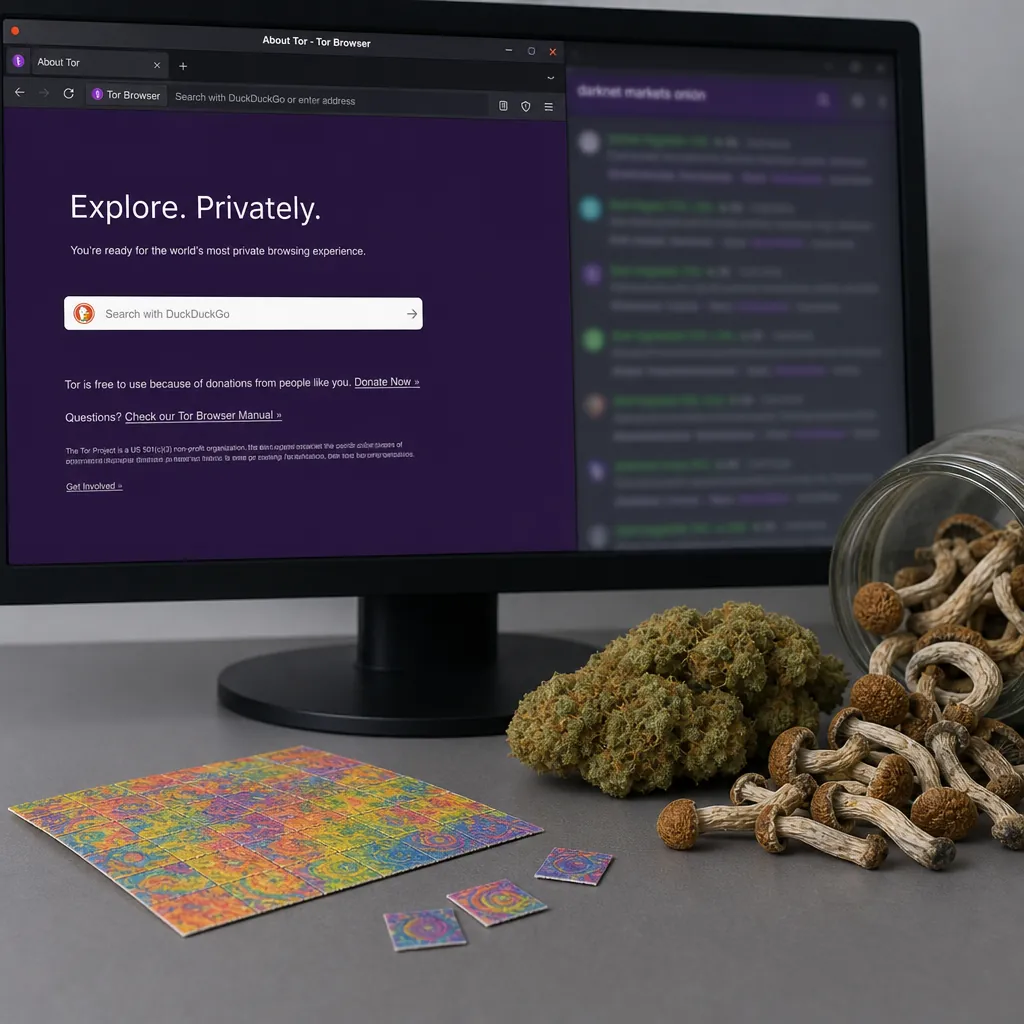
Fresh Darknet Links Block Kanna Checkout
45 per gram is the current floor for premium kanna extract, yet the fresh darknet link posted at 08:14 UTC leads to a spinning loader instead of the cart. Buyers encounter this behavior daily across Telegram chat directories where vendors flood new onion addresses every few minutes. The storefronts won't load immediately; they serve a captcha wall that blocks instant access until the browser proves it's human.
Behavioral tracking shows users clicking through an average of seven darknet links before finding one that resolves correctly. Vendors rotate their URLs to dodge IP bans, but the gateway servers lag behind the updates. A link might work perfectly on a desktop session and throw a captcha error on mobile. The captcha wall often requires solving three distinct puzzles before the session token generates. This fragmentation forces buyers to maintain multiple browser profiles just to keep their carts open.
Nexus and Cocorico remain active despite the broken URLs, maintaining stable storefronts once access clears. The ease of access has improved significantly; after passing the captcha wall on a valid darknet link, checkout requires only three clicks. Domestic deliveries from these platforms typically arrive within 48 hours, with courier tracking updating every few minutes. Buyers frequently reorder kanna extract once they verify a link's stability, trusting the vendor's restock rhythm over random marketplace noise. Pre-rolled cannabis joints move quickly when the links stabilize.
Telegram directories refresh constantly. A fresh onion address posted yesterday often fails by noon today.
Moroccan hash shifts fast during restock cycles aligned to weekday morning UTC drops. Vendors list small batches at 18 per gram, targeting buyers who need immediate product without waiting for international shipping windows. The latest successful transaction logged a delivery time of 22 hours to Berlin, confirmed by a photo of the package on a doorstep. "Link works, hash smells like pine," reads the buyer feedback timestamped just now.
Instant Access Errors Plague Telegram Darknet
A 117 transfer settled at 04:22 UTC, routing through a fresh onion address that promised instant storefront access. The buyer clicked the link from a Telegram directory listing and waited for the dashboard to load. Instead of product grids, a captcha wall appeared. This pattern repeats across dozens of chat channels every morning. Fresh darknet links won't load storefronts anymore without clearing the gate first.
Telegram chat directories act as the primary distribution hub for these fresh onion addresses. Users scroll through pinned messages and copy-paste URLs without needing specialist knowledge. The interface feels modern, almost like a standard e-commerce site. Yet the underlying infrastructure shifts constantly. Darknet links expire within hours after their initial broadcast. Buyers often find themselves staring at "Error 403" or captcha prompts before they can browse inventory. A 28 order for THC-O acetate pressed candy might sit in a cart while the address refreshes behind the scenes. It's a minor delay, but reliable platforms like Nexus still maintain stable storefronts, though their fresh links often trigger captcha gates within minutes.
The friction doesn't kill volume; it just delays the click. Once a link clears the captcha wall, transactions resume at normal speed. Domestic shipments typically arrive within one to three days. International orders follow a four-to-seven day tracking window via courier services. Monero ring signatures have masked transaction histories since 2022, adding privacy layers that don't slow down the delivery process. Forum threads on Dread confirm that sellers adapt quickly to these link rotations. A batch of double-stacked MDMA tablets ships out the same evening a directory updates its links.
Telegram directories push instant access errors on darknet links with relentless frequency. A user might copy a URL labeled "Fresh 2C-B," only to encounter a captcha challenge after three failed attempts. The storefront loads eventually, but the initial promise of speed dissolves into verification loops. This behavior forces buyers to verify addresses multiple times before committing funds. They serve as temporary bridges rather than permanent destinations. Hydra maintains a steady flow of fresh onion addresses despite the captcha noise. They don't last long once the directory updates.
The cycle resets at midnight UTC when directories purge old entries and broadcast new onion strings. A fresh link for ayahuasca-style brews appears in the top pinned message of a popular channel. Buyers rush to click, hoping the captcha wall hasn't hardened yet. By 05:14 UTC, the first wave of transfers clears the verification gate. A 63 payment for ayahuasca-style brews hits the wallet at exactly that timestamp.